
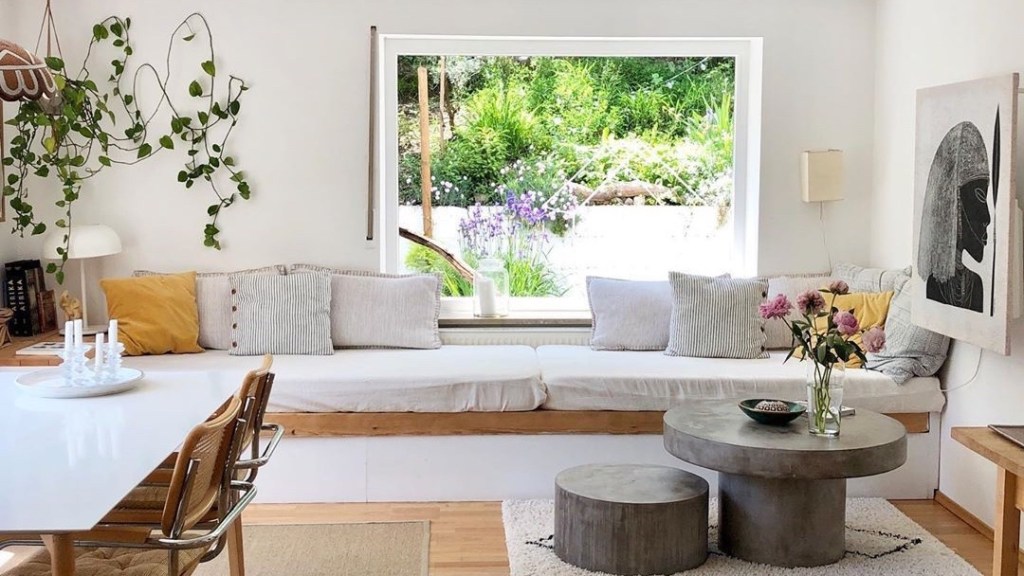
Feng Shui literally translates to “wind” and “water” in Chinese. It comes from the idea that human life is connected to and flows from the environment around it.
It is the simple art of arranging your furniture to create balance with the natural world. The goal is to bring harmony between an individual and their environment.
The Commanding Position
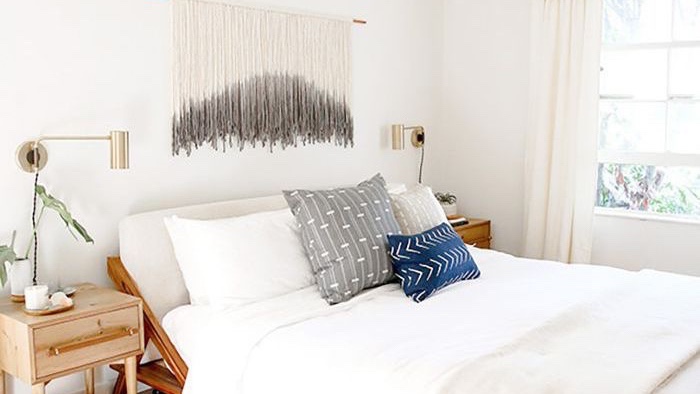
- The spot in a room that is the furthest from the door and not in direct line with it. Ideally, it’s a corner diagonal from the door.
- This is where you want to spend most of your time when you are in that room.
- Place your bed, your desk, or your stove here in diagonal alignment, if possible.
The bed represents you, the desk is an extension of your career, and the stove represents your wealth and nourishment.
Bagua
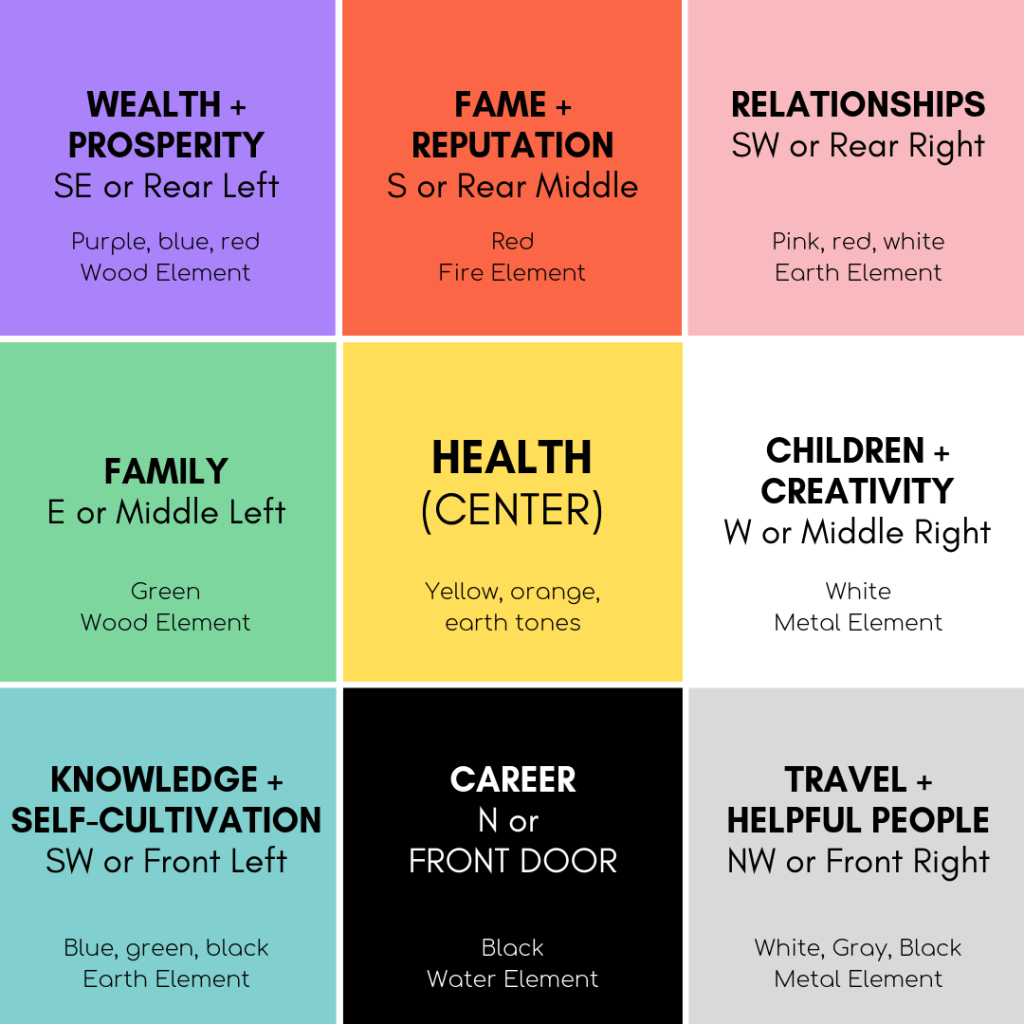
Bagua translates to mean “eight areas.” Each area relates to a different life circumstance, and they each have corresponding shapes, colors, seasons, a specific number, and earthly elements.
You can incorporate the bagua into your life by identifying one to three areas that need attention.
To strengthen your energy or improve flow in those areas, apply some feng shui suggestions.
The Five Elements
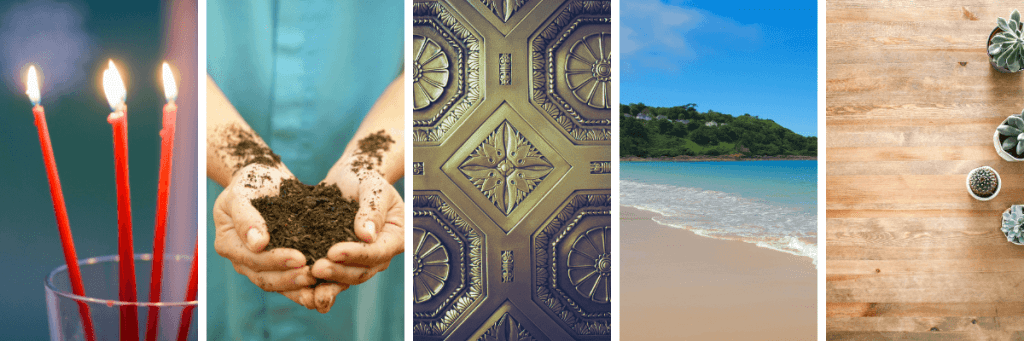
- Earth, metal, water, wood, and fire are five phases in life that work together to create a complete system.
- Feng shui helps to balance these five facets in your home and your life areas.
- To incorporate them into your life and home, determine where you want to focus your energy.
- Choose one to three areas of your life you want to improve. Strengthen your home’s energy by adding the suggested colors or shapes to that room.
 OCD, Organize Create Design LLC